
If you are looking for speech therapy activities for bath time, you probably do not want a complicated plan. You want ideas that fit a real evening with a tired child, a short attention span, and about fifteen minutes before pajamas. That is exactly why bath time can work so well. It already has repetition, predictable routines, shared attention, and a built-in reason to use simple words over and over.
For many toddlers, the bath is one of the easiest places to practice communication because the play is contained and motivating. Water pours, toys float, cups fill, bubbles pop, and the same actions happen again and again. That makes it easier for parents to model useful language without turning the moment into a lesson. The goal is not to force words. The goal is to make language easier to notice, easier to copy, and easier to use.
Why Bath Time Works So Well for Speech and Language Practice
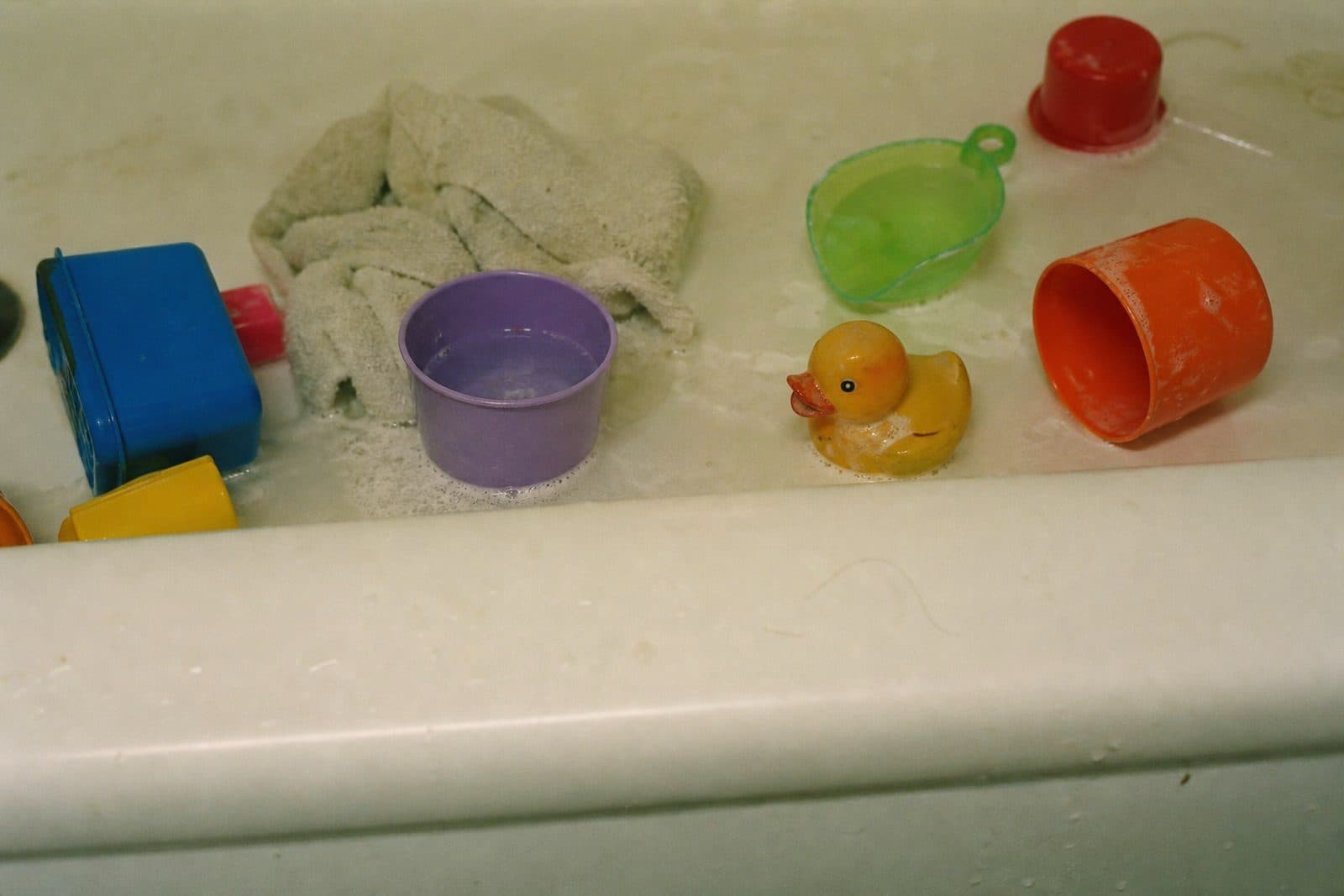
Bath time gives children the kind of repetition that speech and language learning needs. You can use the same verbs again and again: pour, wash, splash, in, out, on, off, up, down, more, done. A toddler who is not ready for long phrases can still hear short, functional language in a routine that makes sense to them.
It also tends to lower the pressure. Many children communicate more when adults stop quizzing and start joining the play. In the bath, you do not need flash cards or special materials. A washcloth, a cup, a few bath toys, and your own voice are enough. That is one reason families often do well with the same kinds of strategies used in parent coaching speech therapy: short models, pauses, repetition, and following the child's lead.
What to Focus on During Bath Time Speech Activities
Before trying a long list of speech therapy activities for bath time, keep the target simple. Most toddlers benefit more from a few useful words than from hearing constant narration. Think about language that helps your child request, protest, comment, or join the interaction. Words like more, help, open, go, stop, wash, splash, duck, boat, pop, and all done are practical because they connect directly to what is happening.
You can also listen for communication that is not a perfect spoken word yet. Pointing, reaching, signs, sound effects, or partial word attempts all count as meaningful participation. If your child says "wa" for water or "buh" for bubbles every time, that is a communication attempt you can build on. Warmly model the fuller word, but do not turn every attempt into a correction.
Six Speech Therapy Activities for Bath Time
1. Pour and pause. Fill a cup, hold it above a toy, and say a short model like "pour water" or just "pour." Then pause before you do it. That pause gives your child a chance to look at you, gesture, vocalize, or try part of the word. If they respond, even a little, follow through right away so communication feels powerful.
2. Bubbles with simple choices. If you use bubbles in the bath, offer a tiny choice like "big bubbles or more bubbles" or simply model "more bubbles." Children often respond well to repeated words tied to something fun and visible. If your child is not verbal yet, you can still wait for a look, a reach, or a sign before adding more.
3. In and out with bath toys. Put a toy in a cup, bucket, or little container, then take it out again. Repeat "in," "out," "in," "out" with the action. This is useful for toddlers who need strong visual language pairings. It is also easy to expand later into short phrases like "duck in" or "boat out."
4. Washing body parts. A washcloth routine can support both language and listening. Try short phrases like "wash hands," "wash feet," or "wash nose." Pause to see whether your child points, imitates, or anticipates what comes next. This kind of routine helps some children connect single words to their own body in a meaningful way.
5. Ready, set, go play. If your child likes dropping toys into the water or sending a boat across the tub, build in a little anticipation. Say "ready, set..." and wait. Many toddlers will attempt "go" because the routine is predictable and exciting. This is one of the simplest ways to practice turn-taking and early word imitation.
6. Requesting help. Put one favorite toy in a container that needs your support to open, squeeze, or activate. Model "help" or "open" before stepping in. For some late talkers, functional request words grow faster than labeling words because they immediately change the situation. That is a good thing. Useful language is still language.
How to Keep Bath Time Language Support Simple
The best bath time routines are short enough that you will actually use them. Pick one or two words for the week and repeat them across the same actions instead of trying to say everything. If you model "more," "pour," and "go" twenty times in a natural way, that is usually more helpful than introducing fifteen new words once.
Try to stay one step ahead of your child, not five. If your child is mostly using gestures, model one-word phrases. If they already have single words, try two-word combinations like "more water," "wash duck," or "boat go." Then pause. Children need room to join in. Fast adult language can accidentally crowd out the very response we are hoping to support.
It also helps to notice what your child loves most. Some children care about splashing. Some want to line toys up on the edge of the tub. Some like filling and dumping. Following that interest usually creates better communication than trying to make a child use your preferred activity. This is the same reason families often benefit from practical home-based support instead of generic online advice. The routine needs to fit your actual child.
When Bath Time Activities Are Not Enough on Their Own
Speech therapy activities for bath time can be a helpful starting point, but they are not meant to replace a closer look when a child seems significantly behind. If your toddler has very few words, is not combining words around age 2, seems hard to understand, has limited imitation, or becomes frustrated often, simple routines at home may need to be paired with an evaluation or parent coaching plan.
That does not mean something is wrong because your child needs support. It means you deserve clearer information than trial and error alone can give. If you are in the South Bay, support might look like talking through what you are seeing, choosing a few home targets, or deciding whether a fuller speech-language evaluation makes sense. The right next step should leave you feeling calmer and more specific, not more overwhelmed.
What Are the Best Bath Toys for Speech Development?
Simple toys usually work best: cups, boats, animals, washcloths, bubbles, and anything that lets you practice actions like pour, in, out, wash, pop, and go. The toy matters less than the shared routine around it.
How Long Should Bath Time Speech Practice Last?
A few minutes is enough. You do not need a separate practice block. If you naturally repeat a couple of useful words during the bath and give your child chances to join in, that is real language support.
What If My Child Just Wants to Splash?
Start there. Splashing can still support communication with words like splash, more, stop, go, again, and all done. The best activity is often the one your child already wants to repeat.
Can Bath Time Help a Late Talker?
It can help create more chances to hear and try useful language, especially when routines are predictable and playful. If your child is a late talker, bath time can be one part of support, but it should not be the only tool if progress feels slow.
A Gentle Way to Use Speech Therapy Activities for Bath Time
The most helpful speech therapy activities for bath time are usually the simplest ones: repeat a few useful words, follow your child's interest, and leave space for them to participate. You do not need a perfect script or a tub full of special toys. You just need a routine that feels warm, playful, and easy enough to repeat tomorrow.
If bath time still leaves you wondering whether your child needs more support, trust that question. Everyday routines can do a lot, and they work even better when you know exactly what to watch for and what to model next. Clear guidance should make home practice feel lighter, not heavier.