
Sometimes the most useful language idea is the one you can remember while getting everyone out the door. I like three little words: expose, express, excite. They give me a gentle way to think about the experiences we share and the language I bring to them.
This is a reminder for everyday connection, not a formal treatment program. You do not need a special outing, new toys, or a child who is ready to talk on cue. You just need something to notice together and a little room to see where it goes.
Expose: give your child something to experience
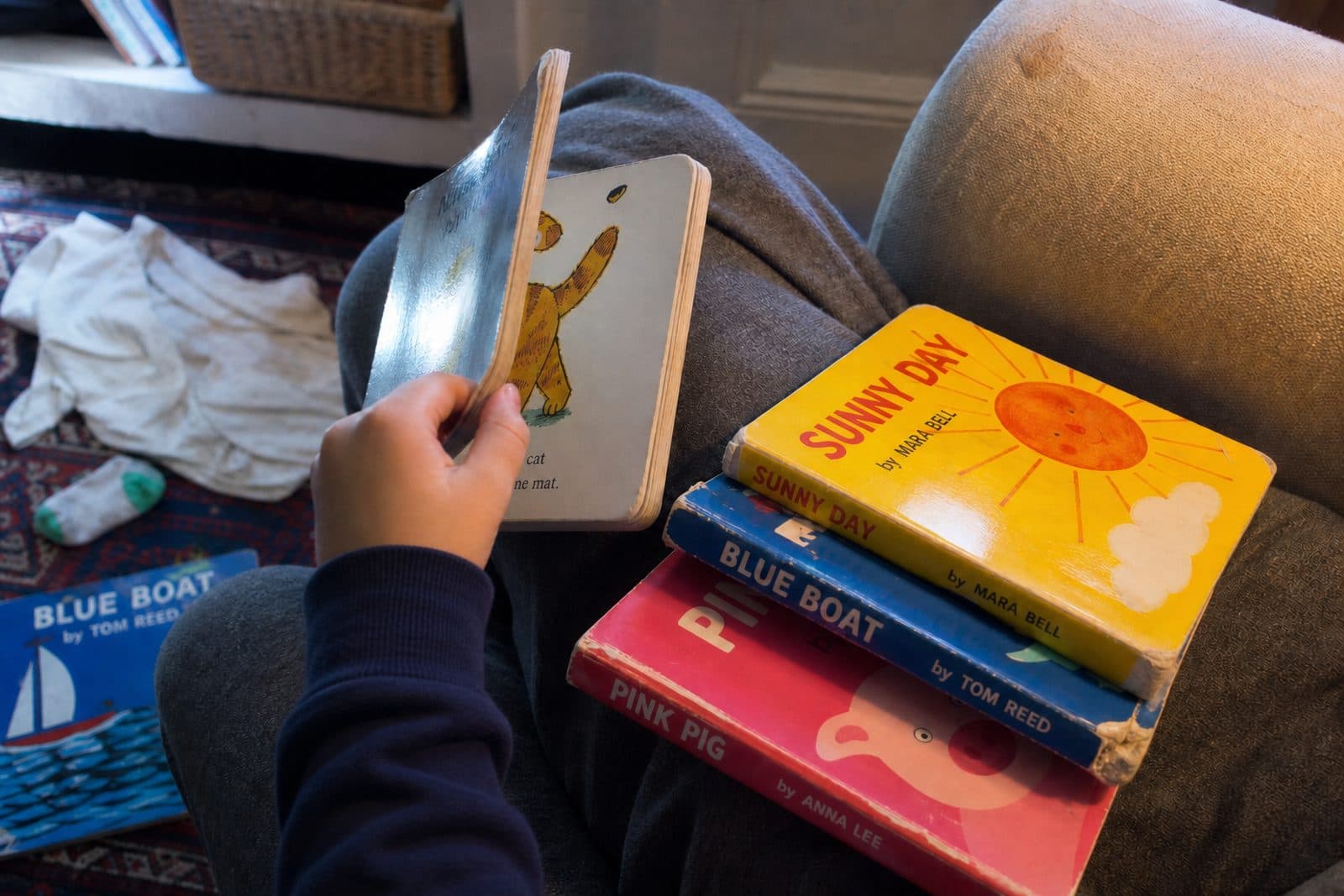
I think of exposure as opening a small window onto the world. Watch a bus pull away, explore a new page in a familiar book, or look at what happens when water runs through a sieve. The experience gives your words something real to refer to.
New does not have to mean big. A different way of stacking blocks or a leaf floating in a puddle can be plenty. Around the South Bay, a neighborhood walk, a library visit, or a quiet spot at the park can offer something interesting to share. At home, laundry, snack time, and pretend play work too.
I would start with what already interests your child. If a noisy place feels like too much, a quieter version counts. If they want to return to the same activity, repetition gives you another chance to share familiar words. You can invite an experience without pushing through discomfort.
Express: put words to what your child is noticing
Here, express is about what I model as the adult. I put language around the experience: the names of things, what they are doing, how they feel, and how they relate to one another. Vocabulary gives us words; syntax is how we arrange those words into sentences.
Suppose your child is watching a dog drink. I might start with “Dog drinking.” For a child using short phrases, I could say, “The dog is drinking water.” With a child ready for more, I might add, “He was thirsty after his walk.” I am offering a model that fits the moment, not asking for a perfect answer.
If your child says “bus,” you can add a little: “Big bus,” or “The bus is stopping.” If they point toward it, you can give that gesture words too. There is no need to correct the first attempt. I want to show that I understood, then offer a little more.
I also leave spaces. A short comment followed by a pause gives a child room to look, move, gesture, make a sound, use a sign, or say something. You do not have to narrate every second. The quiet between words is part of the conversation.
Excite: share the delight, without adding pressure
Excite means letting your child feel that this is something worth sharing with you. Maybe the tower leans and you whisper, “Oh, it’s wobbling!” Maybe a page reveals a favorite animal and your face lights up. Your interest is an invitation to join you.
Excitement does not have to be loud. A smile, a curious voice, or a soft “I see it too” can feel just right. I would match your child’s comfort and energy. If they turn away or need a break, the connection matters more than finishing the activity.
I try to celebrate the message rather than turn it into a performance. When a child points at a bird, I can look with them and say, “There it goes!” I do not need to follow it with “Say bird.” Being understood is already a meaningful part of that exchange.
Try all three during one ordinary moment
At the park: notice a leaf spinning down from a tree. That is expose. Say, “The leaf is falling. It’s turning!” That is express. Watch it land together with a curious “Where will it go?” or a quiet smile. That is excite. Then pause and let your child lead the next part.
With blocks: try making a bridge instead of a tower. Describe what happens: “The car goes under.” Share the fun when it rolls through. If your child changes the game, follow along. The point is a shared experience with useful language, not completing three steps in order.
With a book: notice an unfamiliar picture. Give it a name and a short sentence. Use a playful voice if your child enjoys it, then wait. Looking back at you, pointing to the page, or asking to see it again are all ways to stay in the conversation.
A little is enough to begin
I would choose one moment you already have rather than add another task to your day. Try a walk to the car, one page at bedtime, or a few minutes of play. Some days it will feel easy. Other days everyone will be tired. You can come back to it.
And if you are worried about your child’s speech or language, you can ask for help while still enjoying these moments together. Home ideas do not need to answer every question. I’m here to listen and help you think about what your family might need next.
Does my child need to say the words back?
No. I offer a model and leave room for any response. A look, gesture, sign, sound, or word can be part of the exchange. If your child already has a communication system or a plan from their speech-language pathologist, keep using that support.
Is expose, express, excite a speech therapy method?
I use the phrase as an everyday reminder, not the name of a tested treatment. The ideas of responsive interaction, language modeling, and expanding a child’s communication are described in the ASHA resources below. Support for a specific speech or language need should be tailored to your child.