Three ways to
work together.

Every family starts with the same short note. Where it goes next depends on your child: a toddler who is not talking much yet, a week that needs a few better language moments, or a school meeting you want to walk into prepared.

Families in Palos Verdes, Rancho Palos Verdes, Rolling Hills, Torrance, Redondo Beach, Hermosa Beach, Manhattan Beach, and nearby South Bay communities.

A toddler and a parent picking up pieces of banana on a highchair tray

Pediatric speech-language consultation

Toddler speech delay

Toddler speech delay support is a parent-first consultation for late talkers and toddlers who are not yet combining words. Jessica looks at more than the word count: gestures, play, imitation, understanding, and frustration. You leave with a short list of things to try this week and a clear answer about whether to monitor, coach, or evaluate.

Who this is for

Parents of toddlers who have fewer words than expected, are not yet putting two words together, are hard to understand, or get frustrated trying to communicate. Also parents who have been told to wait and see, and are not sure they should.

Where it starts

This is for parents who are wondering about one or more of these.

  • First words that have not arrived, or a vocabulary growing slowly
  • Two-word phrases that have not started around age 2
  • Speech that is hard for familiar adults to understand
Stacking cups, a washcloth, and a rubber duck on the rim of a bathtub

Speech-language parent coaching

Parent coaching

Parent coaching is speech and language support delivered through you. Jessica teaches strategies you can use during the routines you already have, so your child hears the right kind of language all week instead of thirty minutes at a time. It works on its own or alongside direct therapy or early intervention.

Who this is for

Parents of late talkers and young children with early language questions, families carrying early intervention goals into daily life, families waiting for services to start, and parents who want help deciding what to do next.

Where it starts

Young children learn to communicate through repeated, warm interaction with the people they trust. Coaching helps you use helpful strategies more often, without worksheets or pressure.

  • More chances to hear useful words in the moments they matter
  • Strategies matched to your child, not a generic program
  • Less second-guessing about what to say and when to wait
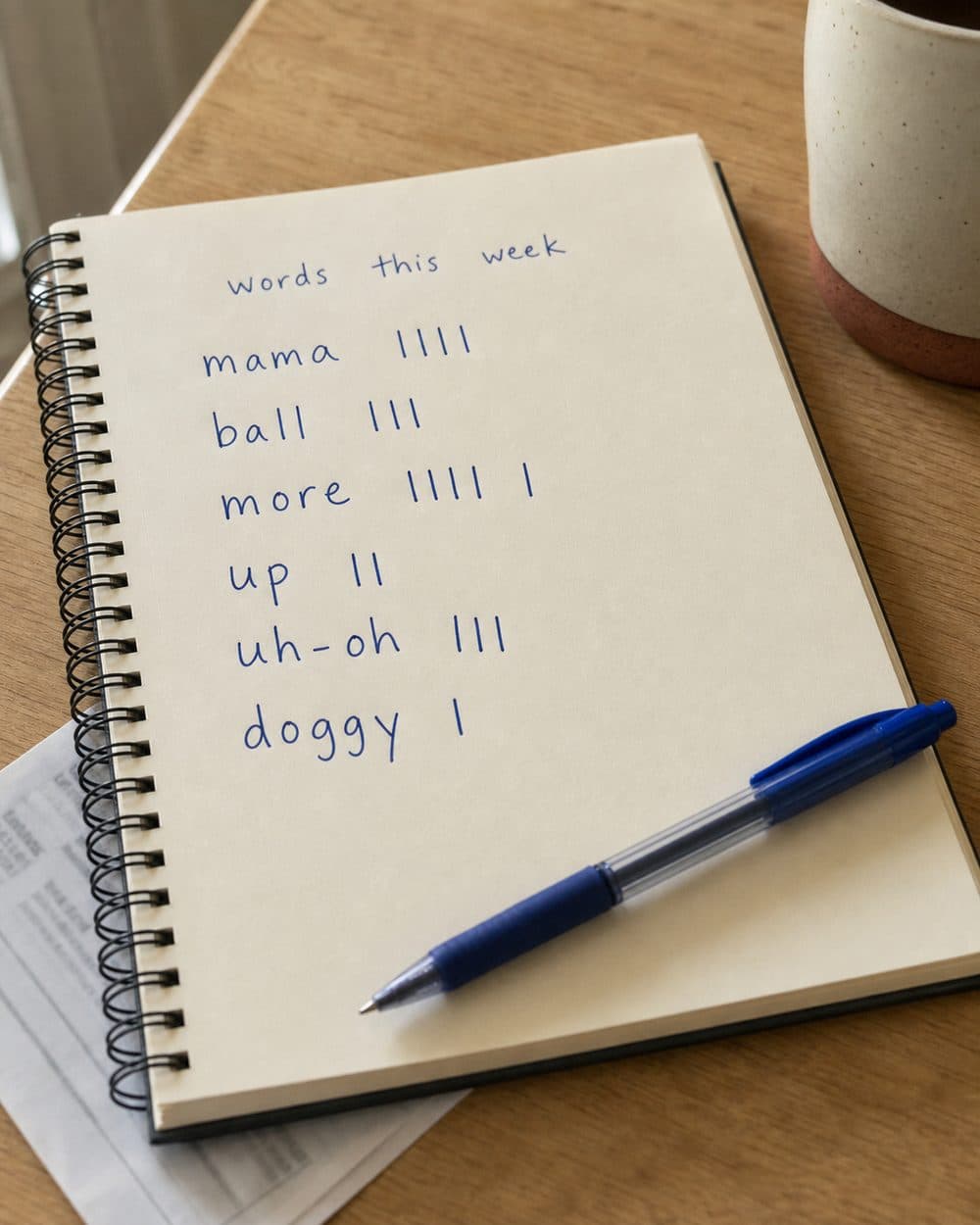
A notebook page listing a toddler’s words with tally marks beside each one

IEP and special education consulting

IEP support

IEP support is parent-centered speech-language guidance for school evaluations and meetings. Jessica reads the report with you, explains scores and goals in plain language, helps you plan your questions, and clarifies what to ask for in writing before you agree to a plan. It is not legal representation. It is an experienced second reader in your corner.

Who this is for

Parents of preschool and school-age children facing an initial or annual IEP, a reassessment, or a speech-language report they cannot quite decode. Also families deciding whether to request a school evaluation.

Where it starts

Support is shaped around the meeting in front of you.

  • Reading the speech-language report together, scores and narrative both
  • Planning the questions you want answered
  • Reviewing proposed goals for specificity and measurability

How it works

No intake packet, no program to sign up for. It starts with a note and ends with a plan you can actually use this week.

  1. Step 1: Send a note

    Tell Jessica what you are noticing, what you have already tried, and what feels confusing. A few sentences is plenty. It goes straight to her inbox.

  2. Step 2: One honest conversation

    You talk through how your child already communicates: gestures, play, imitation, understanding, words. Jessica asks about your week and what matters most to your family.

  3. Step 3: Leave with a short plan

    A doable list of ideas, language targets for the week, the routines to use them in, and a clear answer on whether an evaluation or referral belongs on the list.

Not sure which
one you need?

You do not have to pick. Send a short note about your child and what you are noticing, and Jessica will tell you which conversation makes sense first.